20% Month-Over-Month Growth After Launching Connected Fitness on AWS
Brrrn opened as a cool-temperature boutique fitness studio in 2018. When the pandemic shut down in-person classes, they had weeks to pivot to a connected-at-home product. We built the platform that made that pivot real — iOS, Android, web, e-commerce, subscriptions — cloud-native on AWS.
A Pandemic Pivot That Had to Work
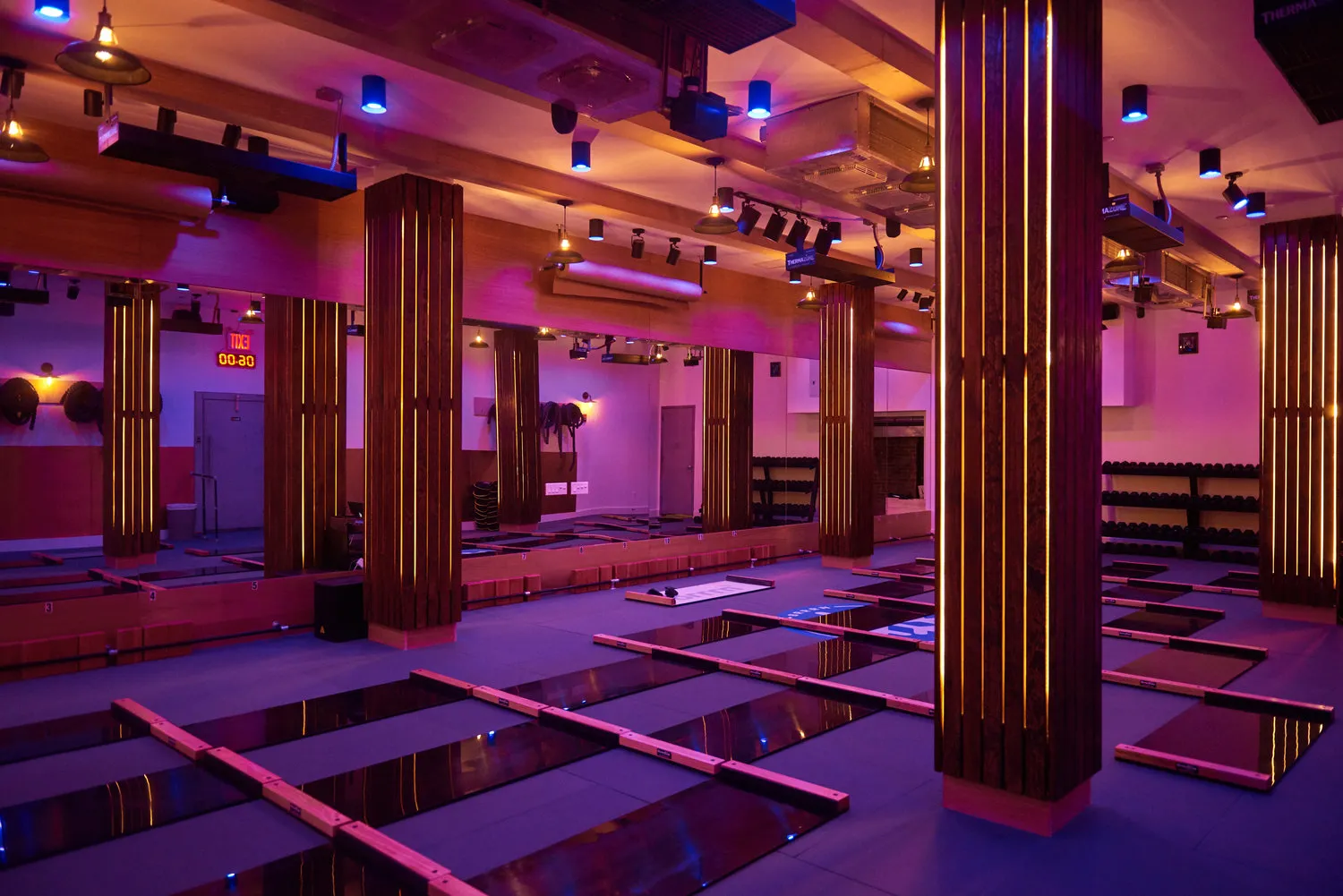
Brrrn opened its doors in 2018 as a cool-temperature boutique fitness studio in New York City. Classes at 50°F structured around the slide board — a training tool used by professional sports teams — got them national attention: The New York Times, The Wall Street Journal, Live with Kelly and Ryan.
Then March 2020 happened. In-person fitness classes went away overnight. Brrrn had to pivot, and the pivot had to work.
By July 2020 they’d brought Brrrn At-Home to market with their signature Brrrn Board and a beta mobile web app with a workout video library. It was a start. But to grow the new offering, the founders Johnny Adamic and Jimmy Martin needed a real platform — payment processing, subscriptions, the full set of product surfaces their customers expected. They’d seen our work for a connected-fitness startup in the same space. They reached out.
Build, Then Operate, Then Keep Operating
Brrrn had no in-house engineering team. They needed a partner who could take the beta, architect a platform, ship it, and stay on to run it.
Phase 1 — Build (2021). We took over from the beta web app and designed a full multi-platform product: native iOS and Android apps, a web portal, an e-commerce surface for the Brrrn Board, and the backend that tied them together. Two-week sprints, demos at the end of each, frequent product decisions with the founders.
Phase 2 — Operate (2021 onward). Once the platform launched, we moved into an operational-support SOW: continuous availability of the apps and infrastructure, SLAs on response time, proactive health monitoring, and the periodic feature updates the product needed.
Phase 3 — Steady state (2022–2023). As the product matured, the engagement shifted to focused monthly support covering outage response and infrastructure steady-state work, with feature drops scoped as fixed-price mini-SOWs when the team needed them.
A Connected Fitness Platform — From the Metal Up
One product, three platforms, integrated e-commerce. Native iOS app. Native Android app. A web member portal. A marketing and shop site. All sharing one backend and one data model. Subscriptions, promotions, and payments were wired in from day one — not bolted on later.
Cloud-native AWS from the start. The beta had been a web app; the new platform was cloud-native. If Brrrn picked up a million users overnight, the infrastructure was already shaped for it. Production, QA, and observability were real environments, not afterthoughts.
The member experience. Users logged in once, saw their subscription status, tracked their workouts, favorited classes, and watched streaks accumulate. The user dashboard surfaced monthly and lifetime stats — minutes exercised, classes taken by category, longest streak.
The operator experience. The Brrrn team got a backend admin surface that mattered: monitor class completions, track engagement daily, pull reports without an engineer in the loop.
Wearable and gamification. As the product grew, we added Apple Watch integration for real-time workout telemetry and a gamified “game mode” with speed-based challenges — work spec’d in T&M sprints and shipped in release cycles with the founders.
Nerd Talk:Stack & Integrations
Cloud & infra: AWS (RDS for the operational database, production infrastructure with a standard split between QA and prod environments). DNS and certificate management, cost monitoring, and security hardening as part of operational support.
Mobile: Native iOS and native Android apps, shipped through the App Store and Google Play release cycles.
Web & backend: Full-stack web application plus the backend admin surface, running on the same AWS platform.
Commerce & payments: Shopify for the storefront (Brrrn Board and associated SKUs), Stripe for subscription payments ($7.99/month and $79.99/year subscription tiers).
Content & media: Contentful as headless CMS for class metadata and editorial content. Zype for video delivery. FeedFM for licensed music in classes.
Lifecycle & marketing: Klaviyo for email and marketing automation, wired into subscription state and user events.
Ops tooling: Azure DevOps for the application lifecycle (sprint planning, backlog, and code flow) — a holdover from the client side of the toolchain. ZenDesk for support ticketing routed from the app.
The platform was sized for rapid scaling without re-architecture. As Brrrn added wearable integration (Apple Watch) and the gamified game-mode release, the backend absorbed the new features inside the existing architecture.
20% Month-Over-Month Growth and a Platform That Scaled With the Pivot
The new Brrrn At-Home app gave the team a working front door for the business. After bundling a Brrrn Board purchase with a one-year all-access subscription, Brrrn At-Home saw a 20% month-over-month increase in users — on an infrastructure that could absorb it without a second build.
The move from a dated legacy mobile web app to a multi-platform cloud-native product changed what Brrrn could do commercially: they could run promotions across surfaces, price the subscription cleanly, see engagement in real time, and raise capital against a platform that had room to grow.
From Build to Steady-State Operations
We moved from platform build to continuous operational support as the product matured. Periodic feature drops — subscription pricing changes, Apple Watch integration, game mode — shipped as fixed-scope mini-engagements inside the ongoing support relationship. When the roadmap stabilized, the engagement narrowed to focused monthly support on outage response and infrastructure steady-state.
That’s what a healthy build-to-run arc looks like: big build, smaller operate, smaller still when the product finds its rhythm.

Brrrn
Wellness and Fitness Services
Brrrn introduced the world's first cool-temperature (50°F) boutique fitness studio in New York City in 2018. When the pandemic ended in-person classes, they pivoted to Brrrn At-Home — a subscription platform centered on the Brrrn Board, their signature piece of equipment.
Key Results
Facing a similar challenge?
Let's discuss how we can help your organization achieve the same results.